The Soul of Cocoa
It all begins with a dream:
To reach the soul of chocolate
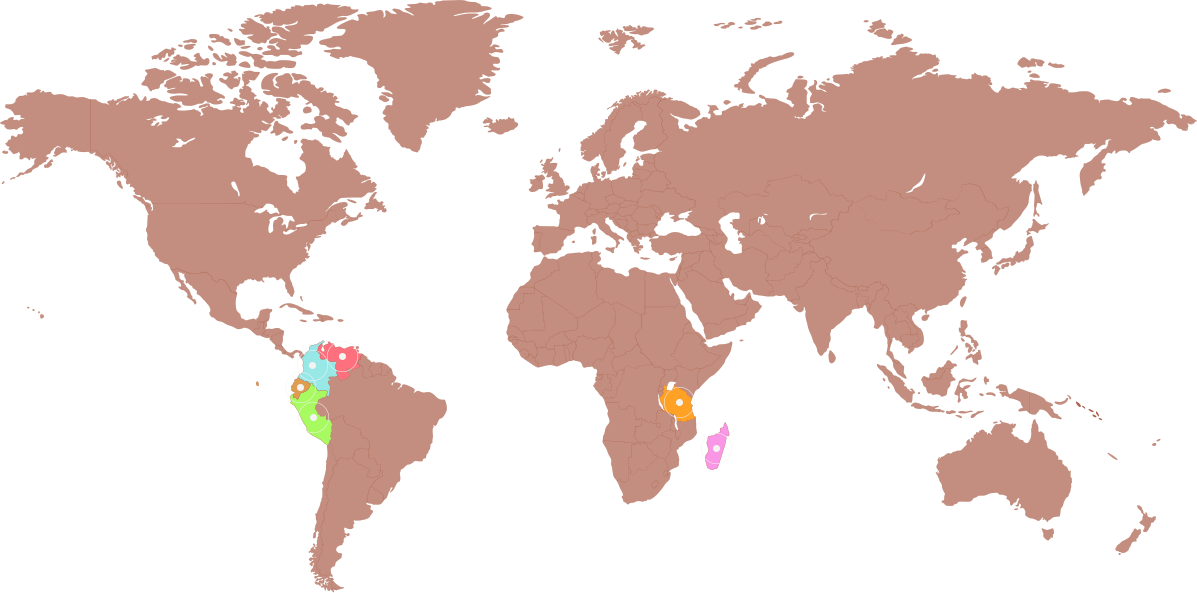
Domori Cocoa Atlas
Each cocoa tells a story, respecting the "canons of elegance" that distinguish Domori
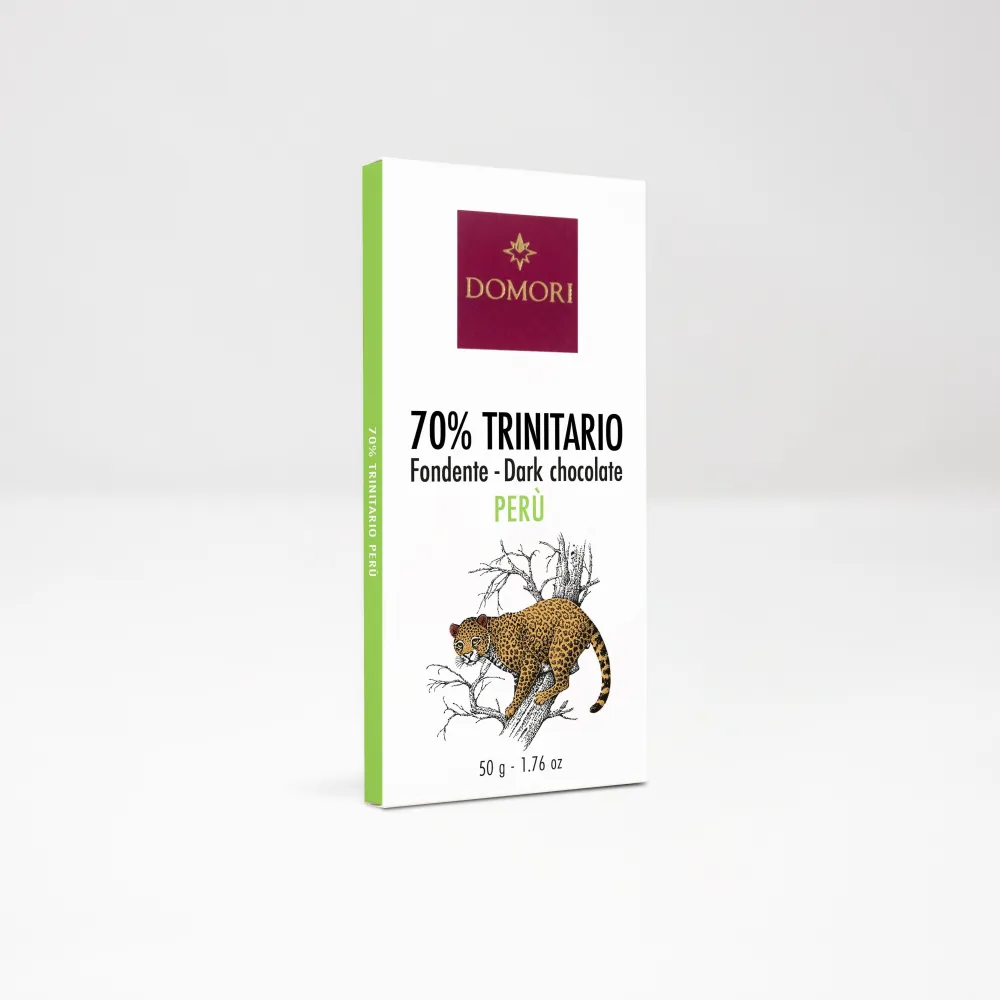
Perù - Apurimac
Perù - Apurimac 70%
> DiscoverEcuador - Arriba Nacional
Ecuador - Arriba Nacional 70%
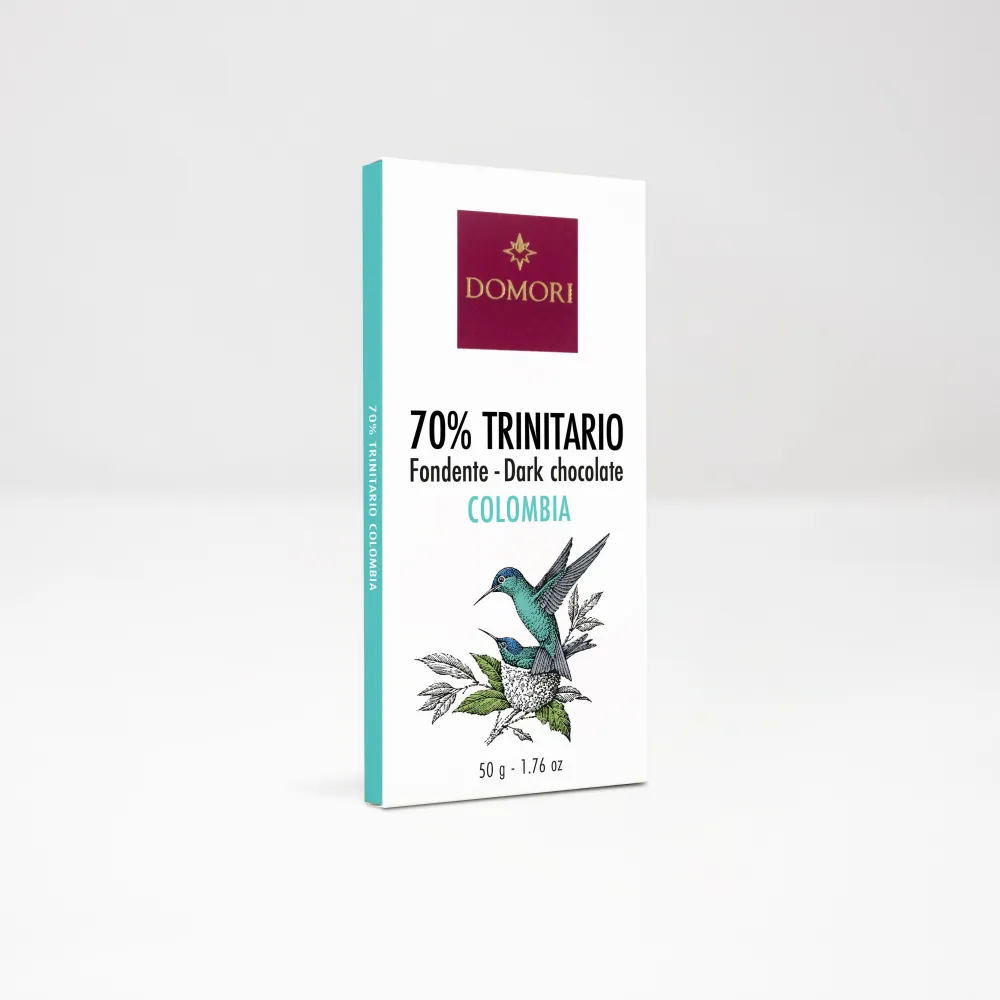
> DiscoverColombia - Teyuna
Colombia - Teyuna 70%
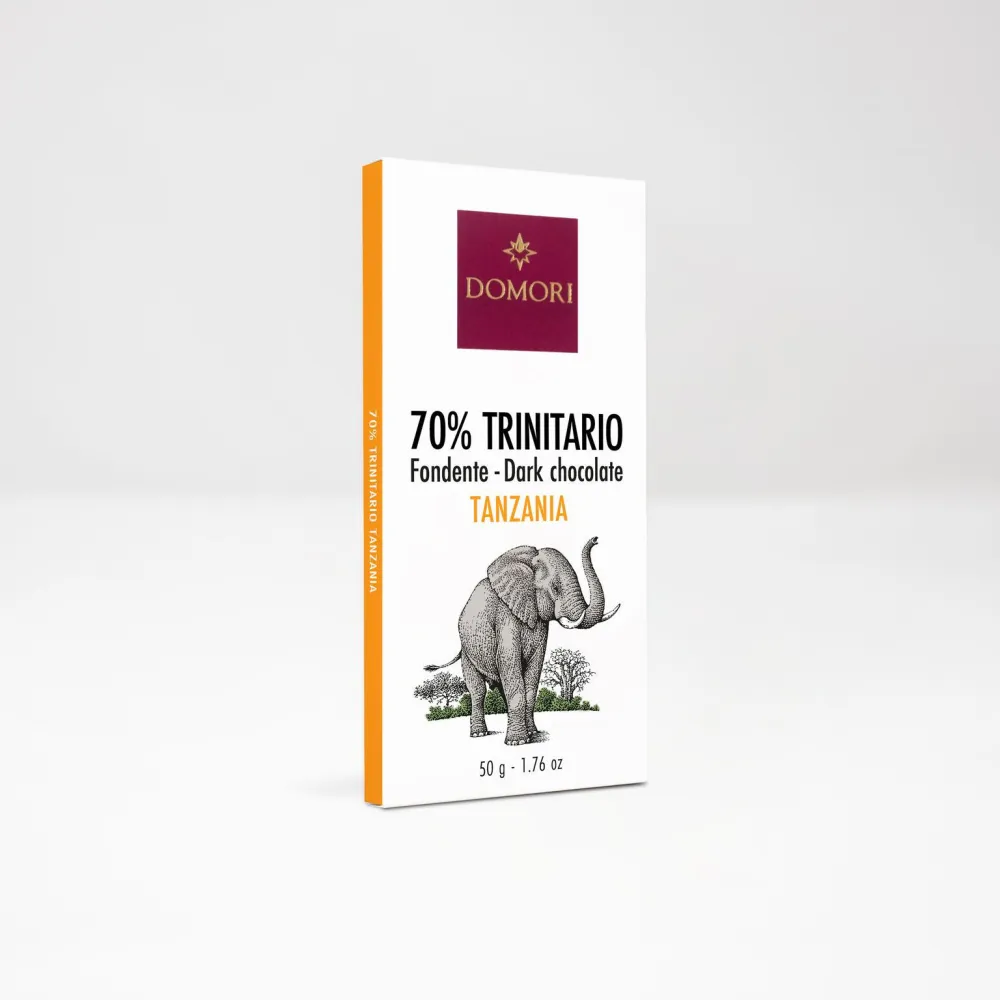
> DiscoverTanzania - Morogoro
Tanzania - Morogoro 70%
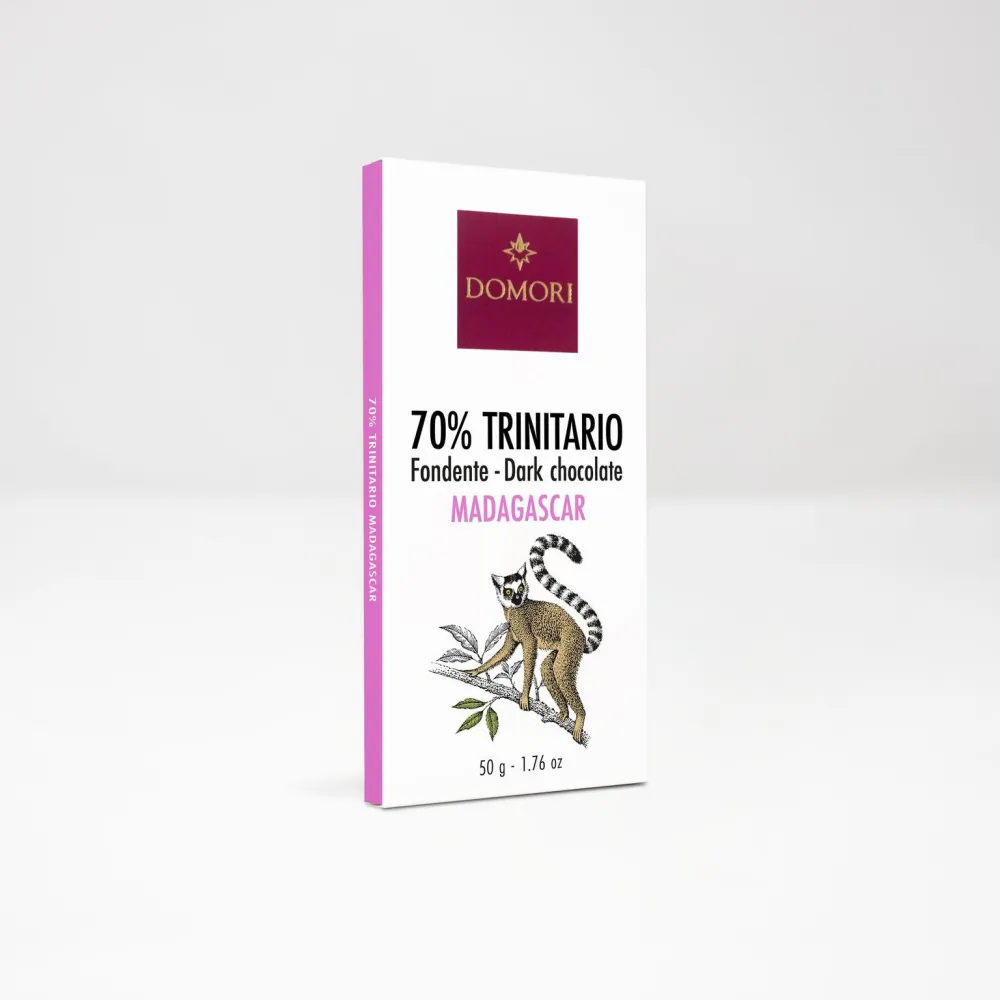
> DiscoverMadagascar - Sambirano
Madagascar - Sambirano 70%
> DiscoverVenezuela - Sur Del Lago
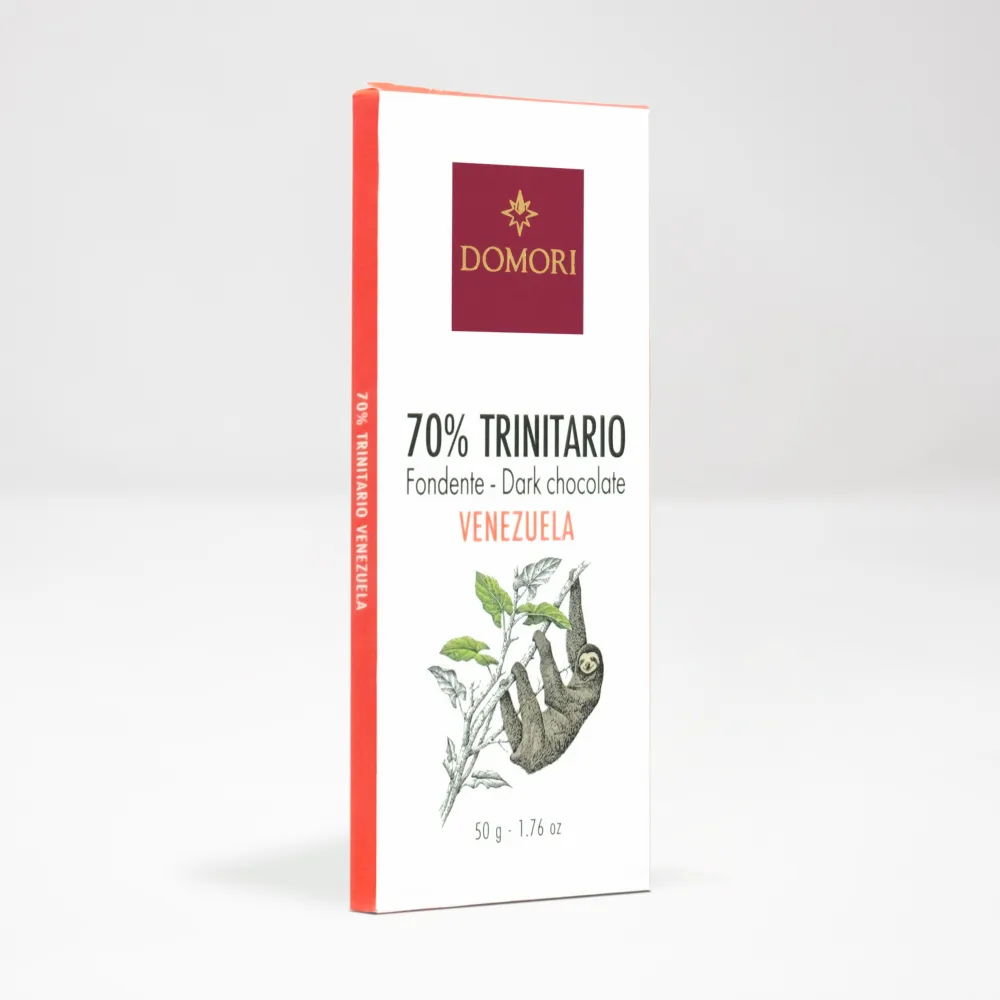
Venezuela - Sur del Lago 70%
> Discover
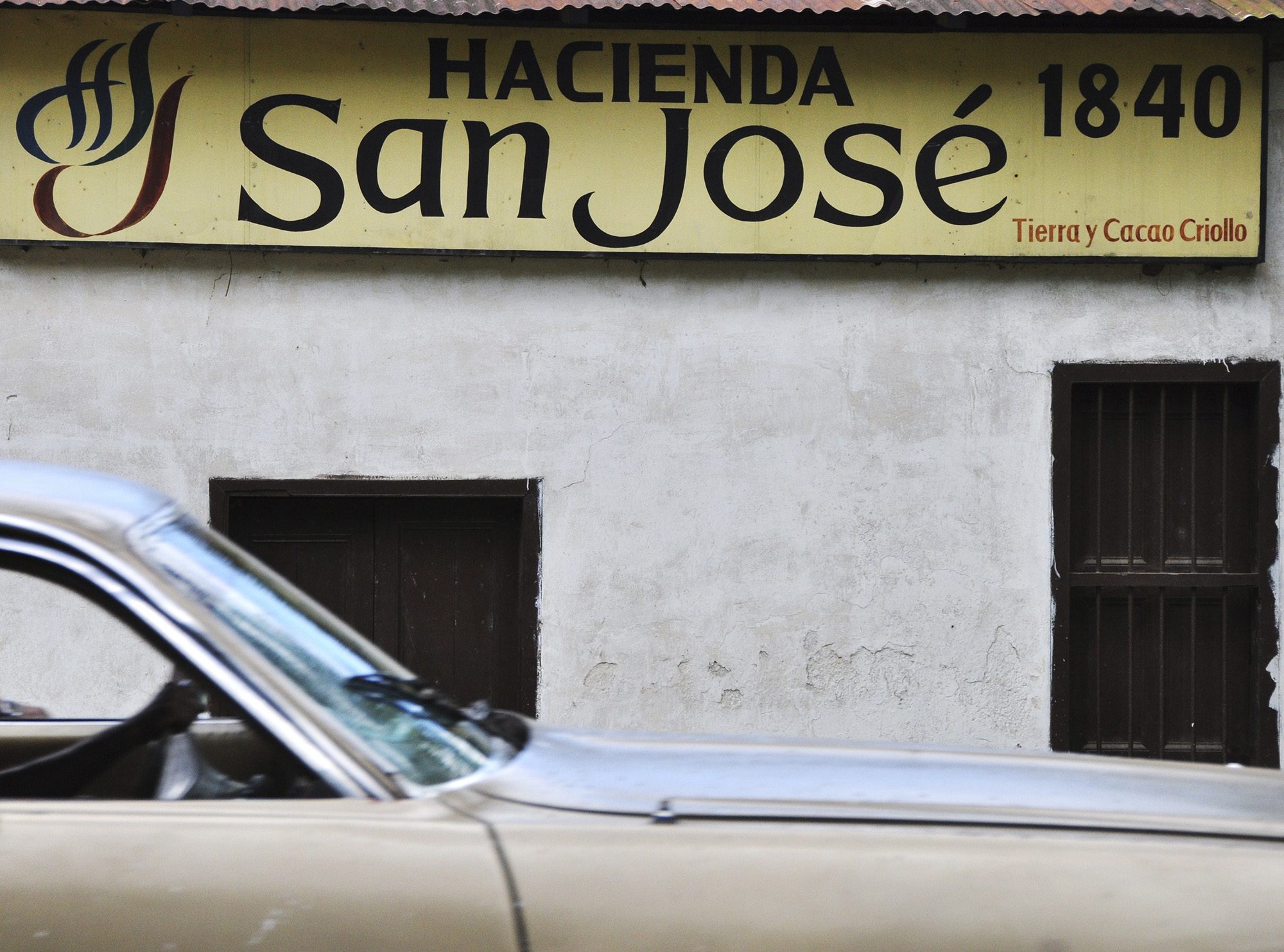
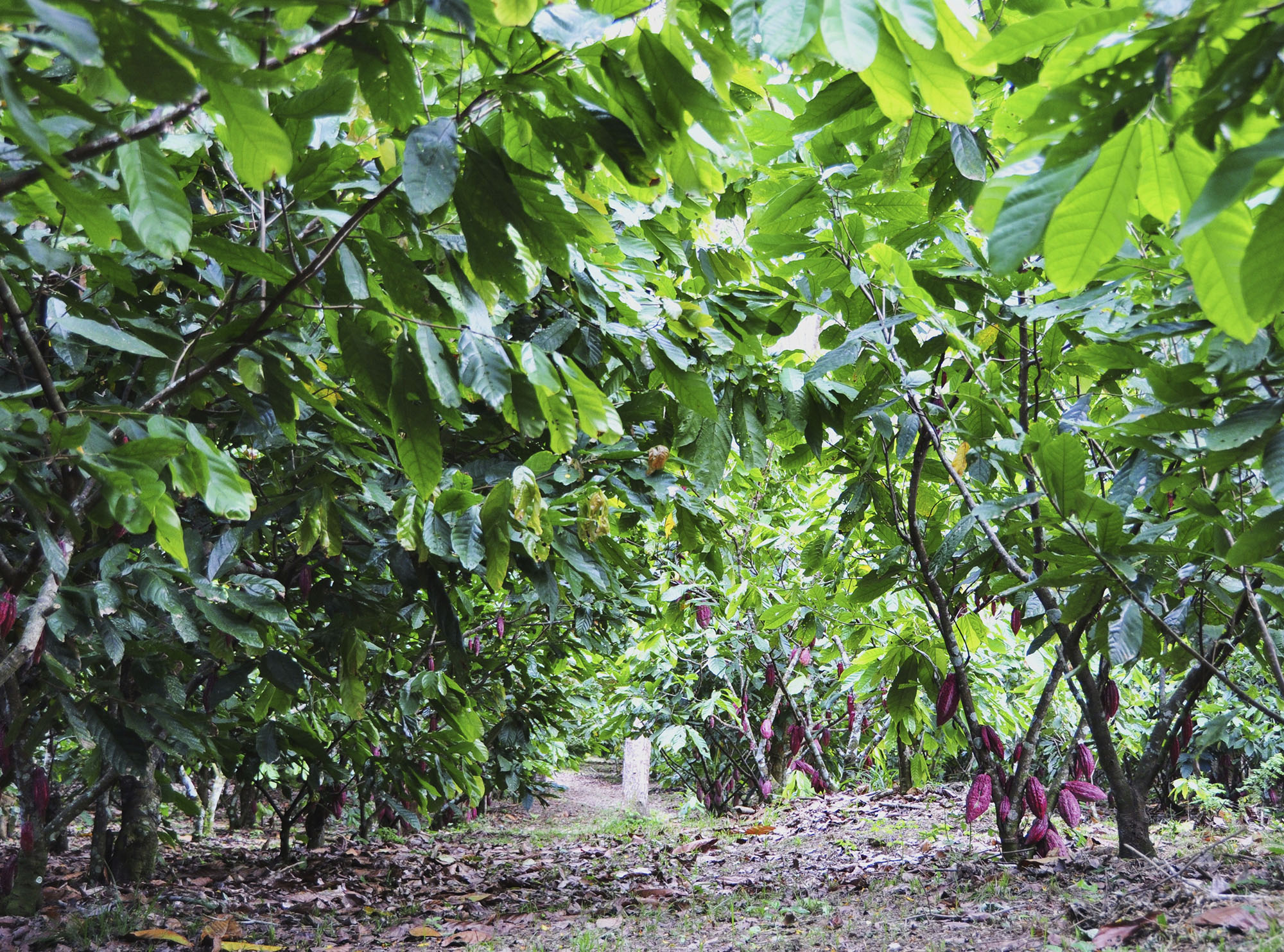
In the heart of Venezuela lies Hacienda San José, the flagship plantation of the Domori Criollo Project and one of the world's most important centers for the conservation of cocoa biodiversity. Here, research, agricultural innovation, and the protection of the rarest varieties have brought Criollo cocoa back to its origins, preserving its unique genetic and aromatic heritage.
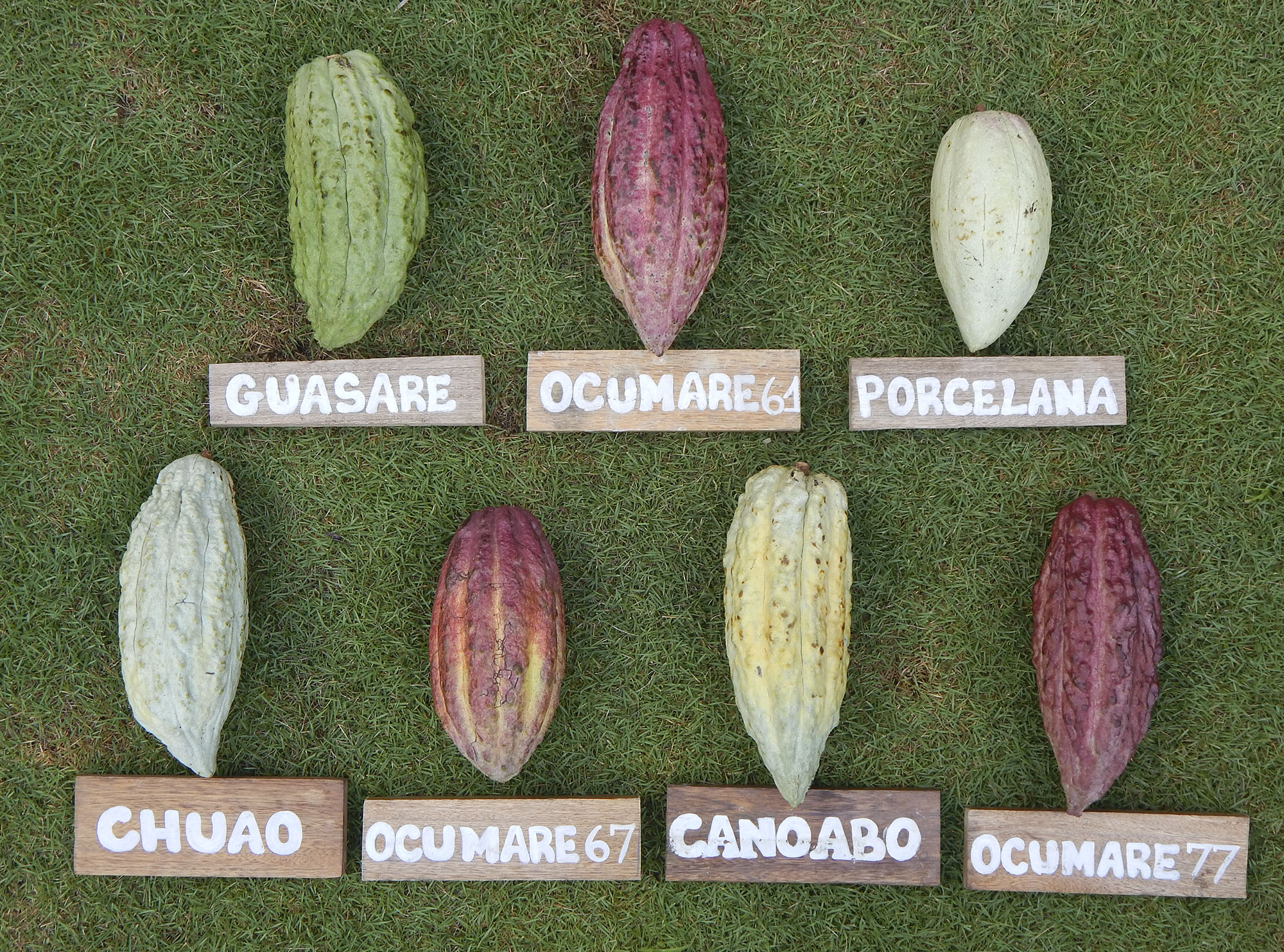
Acquired by Domori in 2001, in co-ownership with local entrepreneurs, Hacienda San José extends over 185 hectares and is home to seven rare Criollo varieties, cultivated and studied to enhance their aromatic identity.
A true open-air laboratory where agronomists and growers work to protect fine cocoa, support local communities, and develop sustainable agricultural practices.
This plantation produces some of the most precious expressions of the Monovarietal Criollo collection, such as Chuao, Guasare, Ocumare, Canoabo, Puertofino, and Porcelana: bars that tell the story of the Venezuelan territory and the Domori vision of a chocolate founded on research, biodiversity, and origin.
In the heart of Ecuador, co-owned with local entrepreneurs, Hacienda San Cristóbal, the Domori plantation dedicated to the valorization of Criollo cocoa and research into the world's rarest and most precious varieties, is born.
Founded in 2017 after over 25 years of research and development on fine cocoa, it represents a new stage in the Domori Criollo Project: a place where agricultural innovation, biodiversity protection, and knowledge of the plant meet.
Spreading over 47 hectares, Hacienda San Cristóbal is an open-air laboratory where Domori studies and develops new cultivation techniques to preserve the genetic and aromatic characteristics of Criollo, a cocoa recognized for its extraordinary finesse, sweetness, and sensorial complexity.
Here, Domori's vision for the future of cocoa takes shape: protecting the most prized varieties, promoting their origin, and transforming research into a tasting experience capable of recounting the territory and the biodiversity of cocoa.
Venezuela is considered one of the world’s most iconic lands for fine cocoa. A unique territory where centuries of biodiversity have given rise to extraordinary aromatic profiles: notes of fruit and nuts, remarkable elegance and a long-lasting persistence that make Venezuelan cocoa among the most sought-after in the world.
From Lake Maracaibo to the valleys of Chuao and Cuyagua, each region preserves its own genetic and aromatic identity, shaped by the encounter between local varieties and agricultural heritage.
In the southern area of the lake, across the states of Mérida, Trujillo, Táchira and Zulia, Domori has developed a programme to enhance Venezuelan cocoa through its collaboration with the Franceschi family, historic guardians of the country’s cocoa tradition.
From this territory comes Sur del Lago cocoa, a selection of Trinitario hybrids from plantations located near Lake Maracaibo, distinguished by exceptional finesse, low acidity and delicate notes of almond and coffee.
In northwestern Madagascar, in the fertile Sambirano Valley, one of the world’s most distinctive and fascinating cocoas is born. A unique territory shaped by a rich biodiversity ecosystem, where cocoa, vanilla and other plant species coexist, creating the ideal environment for the development of remarkable aromatic profiles.
Madagascar cocoa, the result of the encounter between Trinitario varieties and a strong Criollo genetic heritage, stands out for its natural elegance and its intense, distinctive aromatic notes, ranging from citrus and red fruits to delicate spicy nuances.
In the heart of the Córdoba region, in the municipality of Tierralta, lies the Colombian cocoa selected by Domori. A territory at the foothills of Paramillo National Natural Park, one of Colombia’s most biodiverse areas, where cocoa cultivation represents a concrete opportunity for environmental protection and sustainable development.
The beans, belonging to the Trinitario selections ICS1, ICS39 and FTA2, are fermented and dried in community facilities to preserve their quality and aromatic profile. The result is a delicate and elegant cocoa, with notes of caramel, cashew and ripe fruit, capable of expressing the full richness of the Colombian terroir.
In southern Peru, in the Apurímac Valley, a cocoa is born that tells the story of Amazonian biodiversity and Domori’s research into rare varieties.
In this region, Domori enhances a cocoa created through the encounter between ancient Nacional varieties and Trinitario selections, the result of a genetic recovery programme that began in the 1990s.
Thanks to careful management of fermentation and post-harvest processes, this cocoa reveals an extraordinary aromatic richness, with balance, intensity and finesse.
Peru represents one of the frontiers of Domori’s research: rediscovering forgotten genetic heritage and transforming it into unique tasting experiences.
In the heart of East Africa, between the volcanic mountains of the Mbeya region and Lake Malawi, Tanzania cocoa selected by Domori is born. A territory characterised by fertile soils, abundant rainfall and natural conditions ideal for the cultivation of fine cocoa.
Here, Domori promotes a production approach focused on quality and sustainability, working on variety selection, fermentation and the development of aromatic profiles to fully express the unique characteristics of this origin.
Tanzanian cocoa stands out for its refined balance between intensity and freshness, with an aromatic personality that tells the story of the African terroir from which it comes.
A project that demonstrates how Africa too can express cocoa of excellence through research, expertise and the enhancement of its origins.
Ecuador is one of the world’s most important lands for the history of fine cocoa and represents a strategic territory for Domori’s research, collaboration and enhancement of local varieties.
Through the UNOCACE Project, Domori works alongside a network of 24 smallholder producer associations, bringing together more than 1,600 farmers across different regions of the country, to support the cultivation of high-quality cocoa and preserve Ecuador’s agricultural biodiversity.
Across more than 5,000 hectares of cultivated land, the project promotes valuable varieties such as Nacional, an ancient Ecuadorian genetic heritage, while encouraging sustainable agricultural practices, improving post-harvest techniques and ensuring greater value for producers.
Ecuador thus represents one of the most authentic expressions of Domori’s philosophy: creating value from the origin by building a supply chain founded on quality, territory and collaboration.
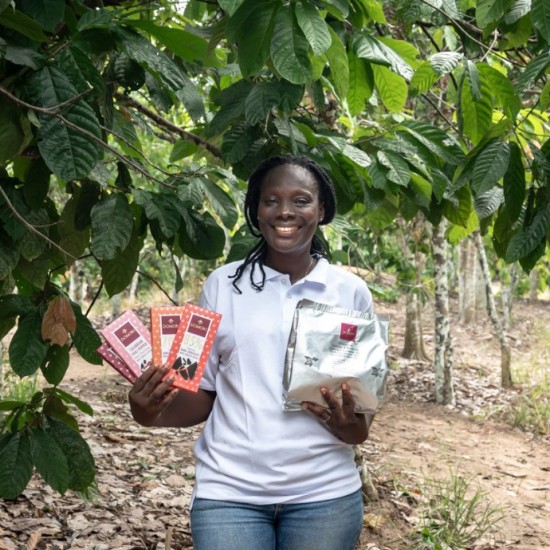
In the Bandama Valley, one of the historical cocoa-growing regions of Côte d’Ivoire, Domori has developed a project demonstrating how innovation, sustainability and quality can grow together. At the heart of this initiative is Estelle Konan, one of the first Ivorian entrepreneurs to believe in the transition towards organic farming and in the valorisation of fine cocoa.
Domori’s collaboration with Estelle began in 2017, with a programme dedicated to selecting the finest cocoa varieties from the region. The following year, in 2018, Estelle founded the SCAY cooperative in the Toumodi province, with the aim of increasing the number of organic cocoa producers in Côte d’Ivoire and promoting new agricultural practices based on environmental respect and quality.
In 2020, the Yosran Organic Cooperative was established in the Bandama Valley, one of Côte d’Ivoire’s oldest cocoa-growing regions. The cooperative brings together five already organically certified sections from the Tiassalé department and today includes 158 producers, all of whom own their own cocoa plantations.